
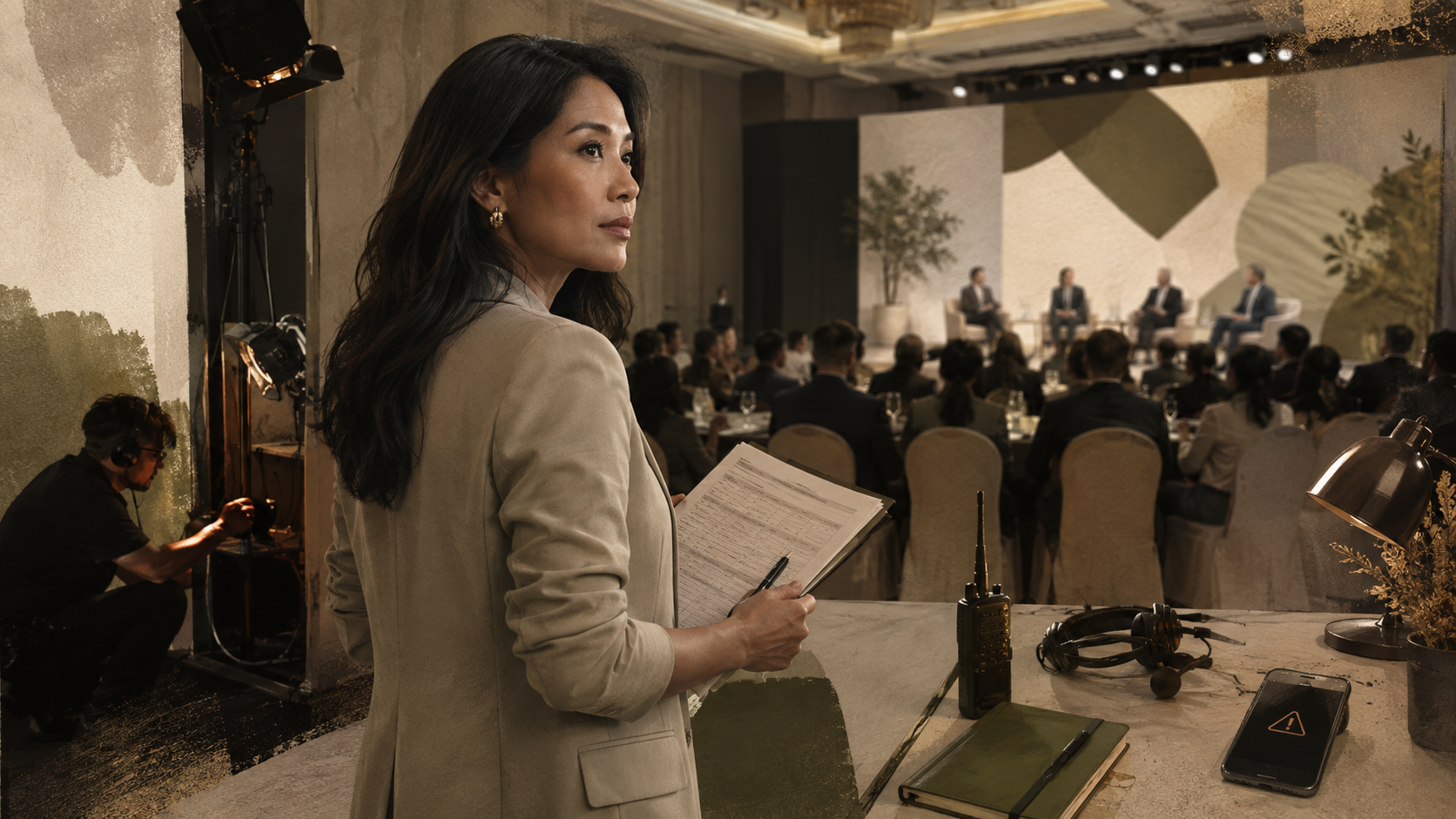
Every marketing budget has one line that gets the side eye in every planning meeting: events.
Too expensive. Cut it first. That is the instinct. Then the numbers come back and events are outperforming half the channels nobody questioned. Eighty-six percent of B2B organizations report positive ROI from events, and in-person formats rank as the most effective B2B marketing channel, ahead of video and thought leadership content, according to LinkedIn’s own research.
Here is the part that does not make the deck. Events work so well for B2B because B2B buying was never a single person clicking a button. It is a room of nine to thirteen stakeholders on average, sometimes as many as twenty-five for an enterprise deal, all of whom need to trust the same decision before anyone signs.
You cannot automate trust into a room. You can only build it correctly.
The Moving Target
Building it correctly right now means chasing a target that will not sit still. The tech stack shifts every quarter, the platforms attendees expect shift with it, and the strategy that filled a room last year reads flat this year. That makes the events team the one group in the building that cannot coast on last quarter’s template.
That is why someone on that team is up at midnight rebuilding the run of show. Not because anyone demanded overtime, but because a flat activation wastes a day everyone in that room chose to give you.
The First Call
And when something breaks—and something always breaks—we are the first call. Not the agency. Not the client’s own team. Us.
Nobody outside this job builds one plan and calls it done, so we walk in with three. When the Wi-Fi drops an hour before doors or a speaker’s flight gets cancelled at the gate, we are not panicking. We are already moving to option B while everyone else is still finding out something is wrong.
What Never Makes the Deck
Most of the loudest feedback comes from people who never see the backend. From the outside, an event looks like one event. From ours, it is a hundred decisions stacked on top of each other: budget against experience, venue capacity against safety code, vendor contracts against what a keynote actually needs to perform.
An intimate dinner for a dozen executives runs on a completely different playbook than a three-day tradeshow floor—different format, different variables, same number of things that can go sideways. The people holding all of it rarely get asked how they pulled it off. They just get told what did not land.
The Part That Gets Misunderstood
While the room enjoys the show, we are watching every crack in it happen live: the session that runs short and leaves a dead ten minutes on the floor, the line that got too long, the feedback that starts landing before the event has even ended.
We see it in real time and cannot fix all of it in real time, because the show is already moving and everyone inside it is already living the moment we built for them. So we hold it. We write it down instead of reacting to it. Next year’s version exists because we remembered what almost nobody else in the room even noticed went wrong.
AI can build you a deck in ten minutes. It cannot improvise its way out of a blown transformer twenty minutes before doors, or sit on a complaint for a year and turn it into next year’s fix.
That is the job most of the room never clocks: standing at the back, holding a running list of everything you wish you could fix right now, and turning it into a better show next year.